
Not all solar systems are created equal.
And you probably wouldn’t be able to tell an ok put together solar system from a Good solar system. But you will be able to by the end of this read.
And I apologize in advance, because from now on, you won’t be able to unsee what I also see.
A solar system is built to be part of your home for decades, so the differences between an average installation and a premium one go beyond what you can see from the ground. The panels, racking, and inverter system all matter, but so do the installation details and the warranties backing the work. Together, these elements shape how your system performs, how it looks, and how well it holds up over time. Let’s take a closer look at what makes a solar system premium, and which details are worth paying attention to.
Premium Solar Panels
Durability
Because solar panels remain exposed to the elements for decades, durability matters; especially during Calgary’s freeze-thaw cycles in the shoulder seasons. As the most recognizable part of a solar installation and the equipment responsible for producing electricity for your home, panels deserve careful consideration.
Panel manufacturers subject their products (for the Canadian market) to testing and certifications designed to simulate real-world conditions, including hail impacts, snow loads, temperature fluctuations, and high winds.
If panels sold in Canada already undergo weather-related testing, what sets a premium panel apart? The difference comes down to design features that go beyond those baseline requirements. For example, some manufacturers, including Canadian Solar and Bauer Solar with its HailProtect line, offer thicker panels designed to improve durability.
If added durability is a priority, ask your installer whether these premium panels are included in your quote. Their higher cost means they may not be offered as standard.
Durable panels help protect system production and reduce potential repair costs. A damaged panel will lower system production until it’s repaired or replaced, and the labour involved may not be covered by the warranty. If you’re interested in learning which warranties come with solar panels, take a look at our blog on Solar Warranties.
Appearance
Appearance matters too. Many homeowners spend considerable time maintaining and improving their property. Solar should complement that investment, not detract from it.
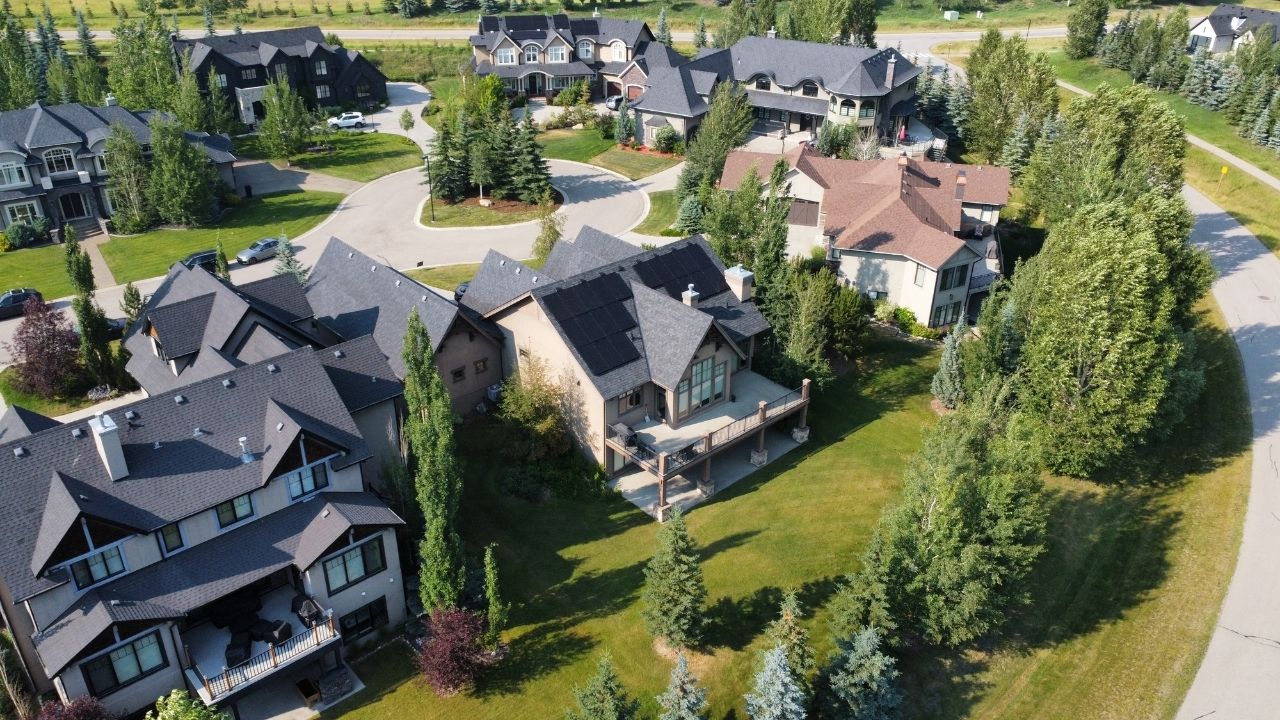
Premium residential panels feature all-black designs with minimal visible cell lines and dark framing. Compared with older-style panels with bright aluminum frames and prominent cell borders, these designs blend more naturally into the roofline. Installation details matter too: paired with appearance-focused installation practices, they create a cleaner, more finished look. We’ll explore those details in the Premium Racking section.
After all, if the system is going to be on your roof for the next 30 years or more, it’s worth considering how it will look.
Premium Racking: The Unsung Hero
Aesthetic Differences
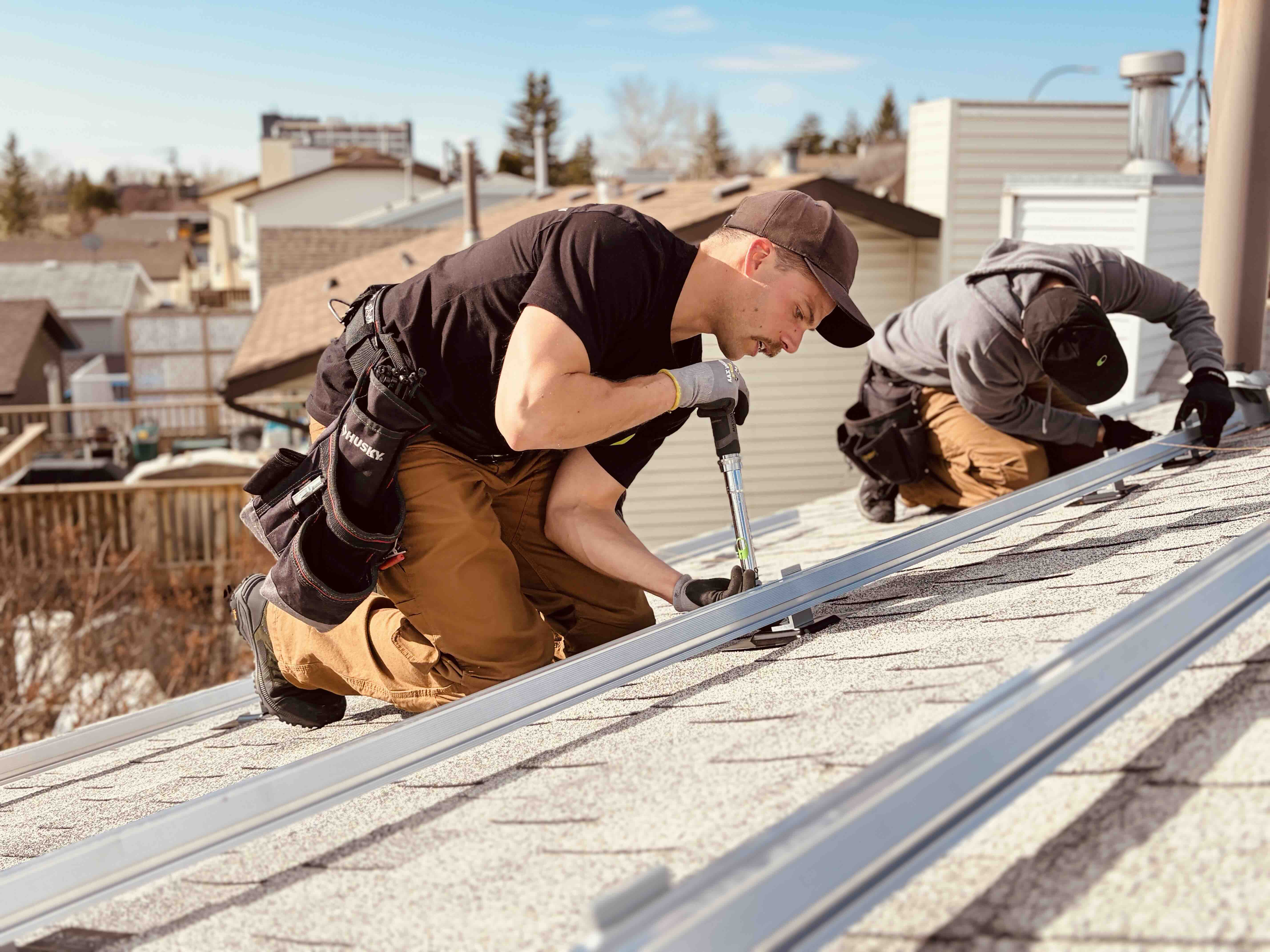
When people think about a solar system, they usually think about the panels themselves. The racking system rarely gets much attention. And that’s understandable. Racking exists primarily to secure the panels to the roof. But when implemented with a premium touch, it can dramatically (and I mean it) improve both the appearance and integrity of the installation.
Several details can contribute to a cleaner finished product:
- Rails trimmed to the edges of the outermost panels, made possible through the use of ultra-discreet hidden end clamps
- Black rails in locations visible from ground-level
- Black end caps that fit into the trimmed rail ends
Individually, these details may seem minor. Together, they create a noticeably cleaner installation that feels intentionally integrated with the home rather than simply attached to it.
Check out our Why Us page for more comparison photos between our systems and non-premium systems.
There are also important functional considerations.
Functional Differences
Secure attachment and waterproofing are separate considerations. Solar mounting systems are engineered to attach safely to the roof structure, but the quality of the waterproofing approach can vary between installers. Premium installations can use double mechanical roof-sealing methods designed to provide additional protection around roof penetrations. For a deeper discussion, read our article on Solar Roof Penetrations.
Critter guard is another valuable addition: it helps keep animals away from the cables and equipment beneath your panels, reducing the risk of future maintenance issues. Although it isn’t technically part of the racking system, it protects the space between the roof and the solar array, where birds, squirrels, and other animals may nest or shelter. Despite these risks, some installers do not consider critter guard mandatory (for some insane reason).
Microinverters: Small Part, Big Deal
One of the most important decisions in a solar design is the inverter system. The inverter’s job is to convert the direct current (DC) electricity produced by the panels into the alternating current (AC) electricity used by your home.
In many residential applications, premium systems utilize microinverters because of the performance, monitoring, and expansion advantages they offer (however, as we’ve explained in detail here, there are some instances when a string inverter is the preferred system).
Some microinverter systems connect one unit to two or four panels. With one microinverter per panel, a failed unit affects only that panel rather than all the panels connected to a shared unit, limiting the production lost.
Enphase introduced the first microinverter-based solar system in 2008. When considering reliability, though, it’s important to look at both failure rates and how much production is affected when a unit fails. We explore that distinction in our blog, Do Microinverters Fail More?
For us, a premium inverter system should be easy to understand, service, and expand as your energy needs evolve. Enphase is our preferred brand; to learn why, read our blog on Why we Champion Enphase Microinverters.
Don’t Forget About Warranties
Even the highest-quality solar equipment should be backed by strong warranty coverage.
One common misconception is that a solar system comes with a single, all-encompassing warranty. In reality, multiple warranties typically apply, each covering different aspects of the installation.
While we dive deep into solar warranties here, there are some key points worth mentioning in relation to what might be considered premium versus average.
Ask who covers the labour if a component needs replacing. Manufacturer warranties often cover only the defective equipment, leaving replacement labour outside the coverage. A premium installer should provide a workmanship warranty and/or offer site maintenance visits to address this gap — but confirm whether replacement labour is included and under what conditions.
Another consideration is that warranty lengths vary. For example, our preferred panels, racking system, and microinverters all come with at least 25-year warranties, which is at the longer end of the warranty spectrum.
Final Thoughts
A premium solar system isn’t defined by a single factor, part, or practice. It’s the combination of thoughtful designs, high-quality components, strong warranties, and meticulous installation practices. Together, they prioritize long-term performance over short-term cost savings.
Because your solar system will be powering your home for decades, the details matter. The equipment and installer you choose today will have a significant impact on system reliability, energy production, appearance, and user experience for years to come.
If you’re comparing solar proposals and are wondering what separates one system from another, we’re happy to help. Reach out to the team at Potential Solar and we can walk you through the real differences between equipment options, installation practices, and warranty coverage so you can make an informed decision with confidence.