If you’re considering solar, one of the first questions you should be asking is “What type of solar system makes the most sense for my home?” This guide helps you compare system designs, inverter options, battery pathways, cost factors, and installation quality so you can make a confident, informed decision.
Not every home needs batteries, and not every homeowner benefits from the added complexity and cost of a hybrid system. The right choice depends on how you value backup power, outage protection, future flexibility, and upfront investment.


Most homeowners don’t need to become experts in inverter systems, but they do need to understand why the inverter choice matters: it affects monitoring, expandability, shading performance, and long-term system design. In Alberta homes, the right answer depends on your roof layout, panel count, electrical service, and future plans.

One microinverter per solar panel, the DC to AC conversion happens on the roof; panels operate independently, easy to expand. Strong option for roofs with multiple faces or partial shading.

Power is managed through a main inverter but power optimizers under each panel optimizes production and mitigates shading.
When homeowners compare solar quotes, they often focus on wattage and price. What gets missed is how the system is designed and installed: cable routing, aesthetics, expandability, monitoring, roof detailing, component choices, and post-install support. These decisions affect not just how the system looks on day one, but how it performs and how satisfied you are years later.
Once your solar system is installed, your electricity retailer can have a meaningful impact on how your credits are handled and how much flexibility you have throughout the year. Read more about how the SolarClub program works and which retailer is a better option for you. Here's a quick overview of some of our preferred options:


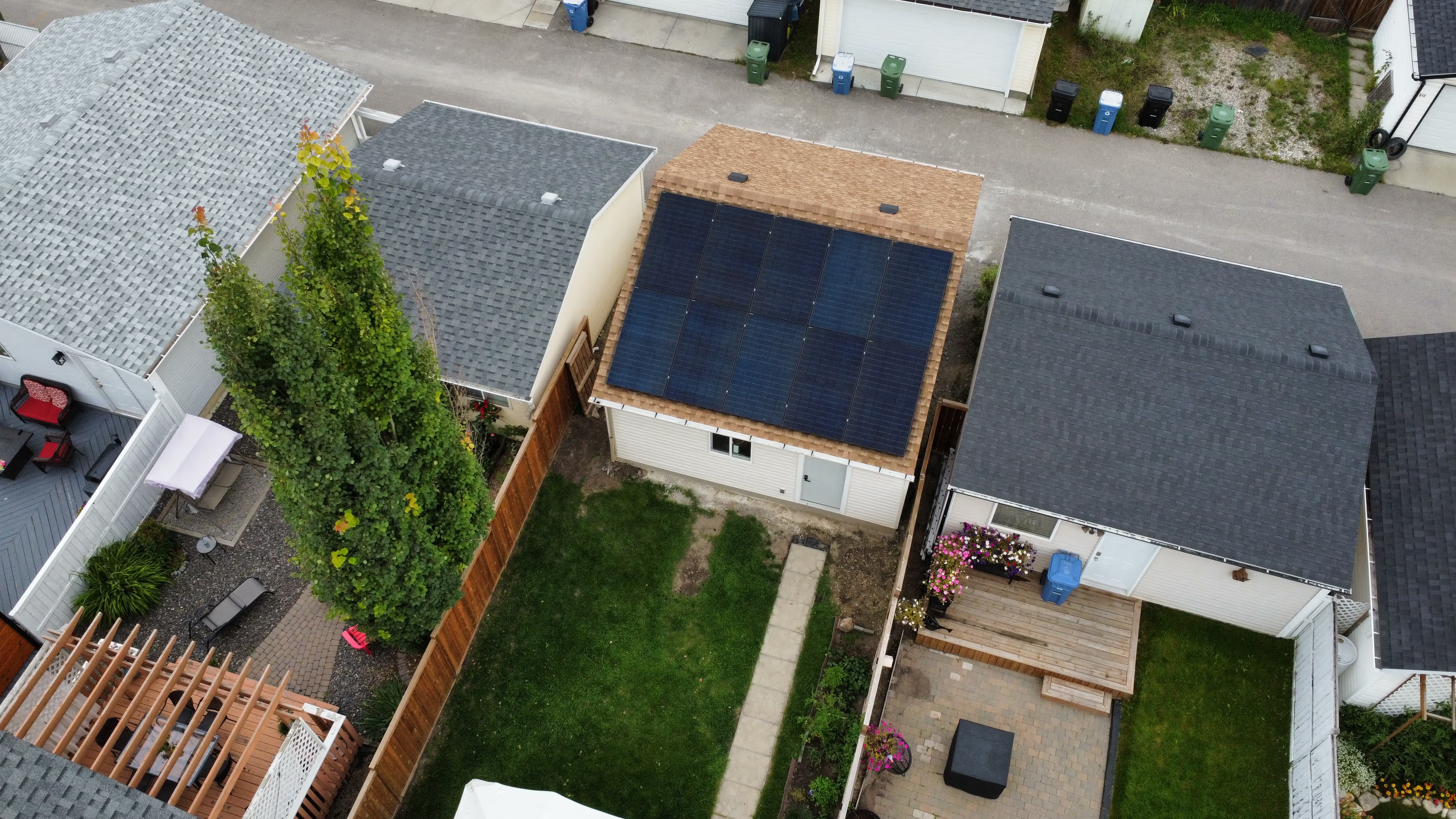
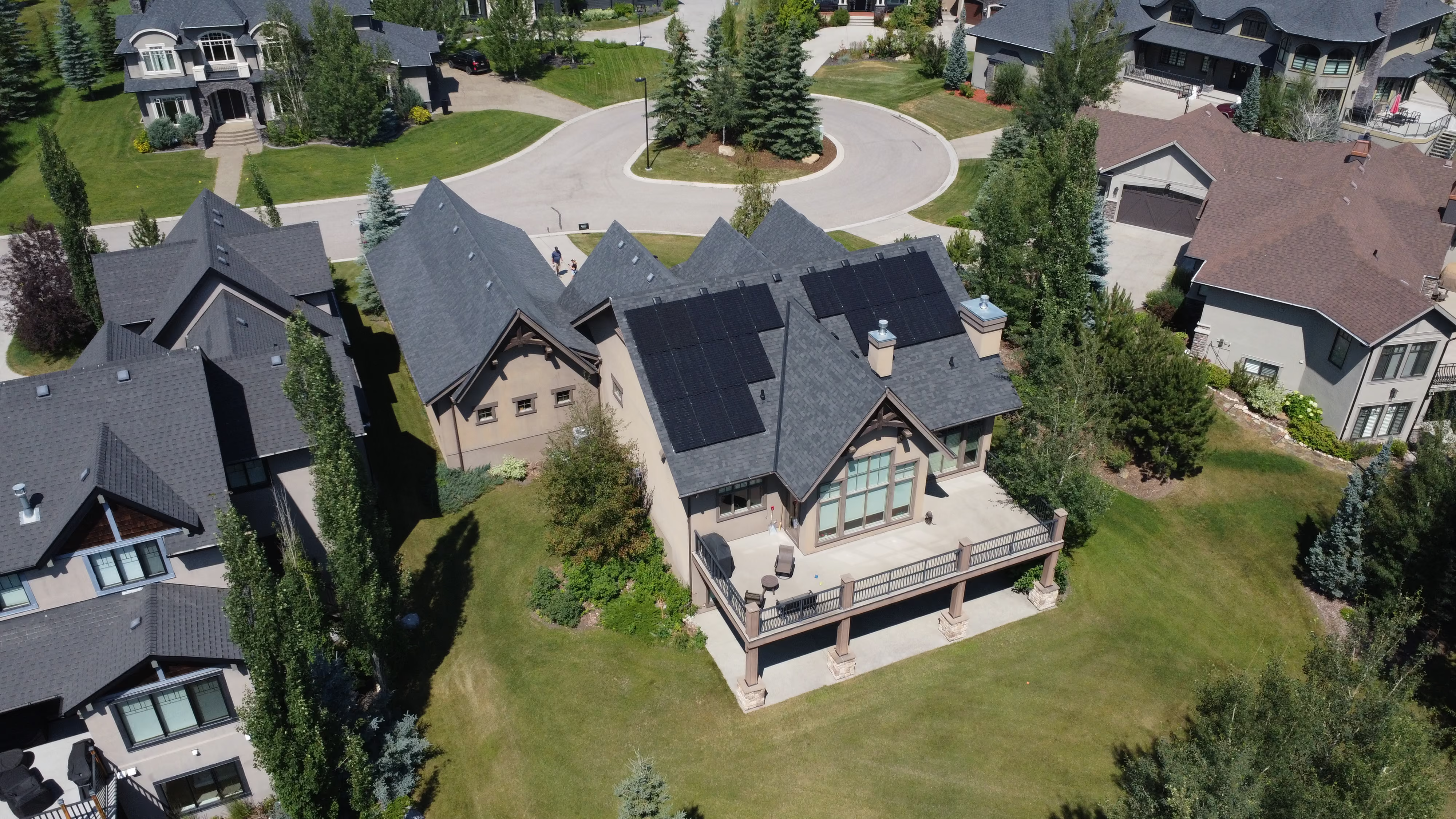
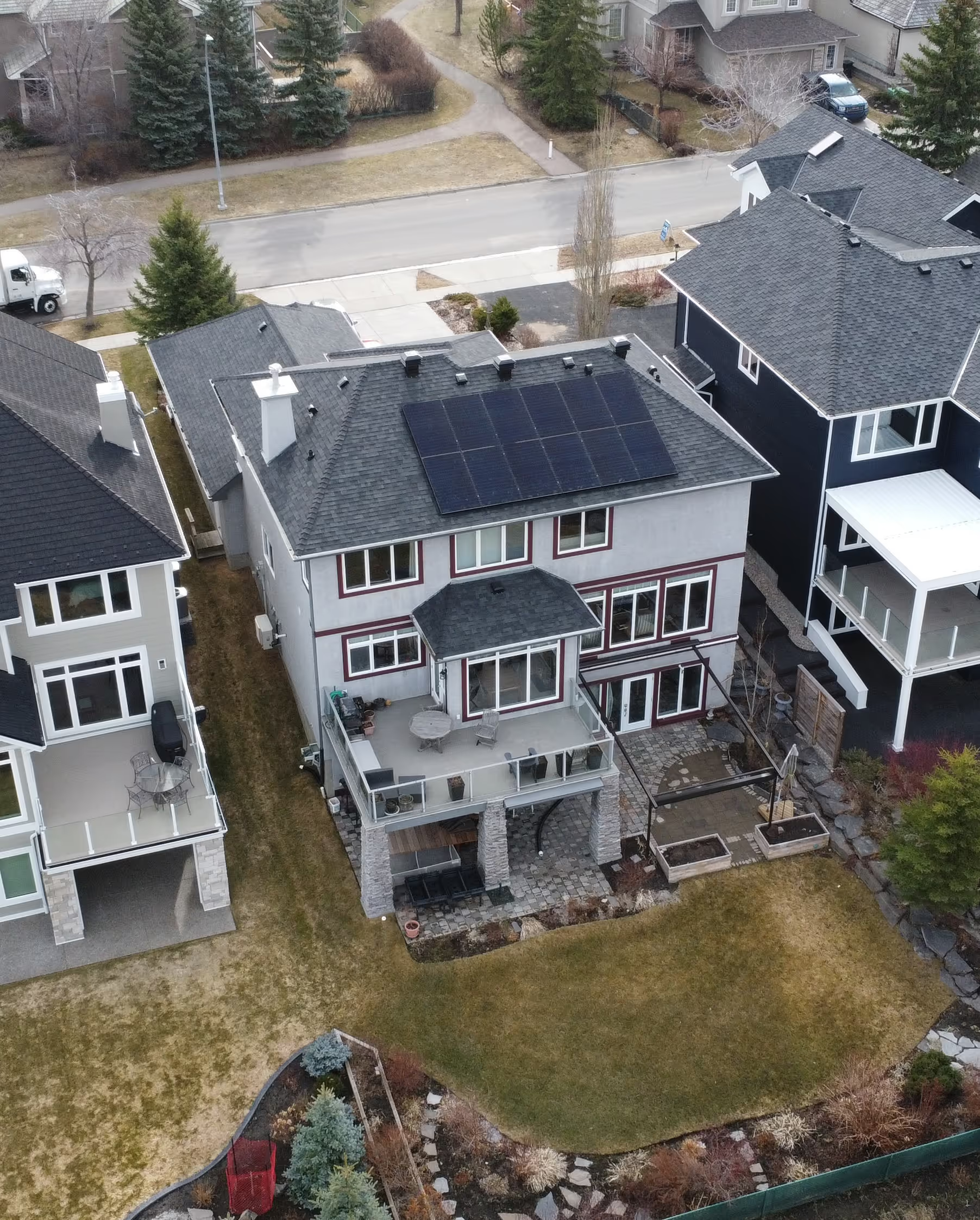
The best way to understand system design is to look at real homes. Find a home that's similar to yours (based on square footage or system size) and explore the design considerations, roof type, production estimates and more!
The Solar Encyclopedia was created for homeowners and business owners looking to get specific questions answered. These articles are not written by AI or any marketing company. We carefully curated the questions you are asking and answer them in the most straightforward and transparent way possible.
From design to maintenance and weather, we tackle a few commonly asked questions.
Solar installation costs depend on system size (based on your home's consumption), roof complexity, electrical upgrades, with most Alberta homes landing around $2.50 –$3.15 per watt installed, $15,000 - $40,000. Use our free calculator or request a custom quote to get accurate, all‑inclusive pricing for your home.
A solar array requires almost no maintenance. Occasional rainfall keeps them clean and we always install a protective guard that keeps animals and leaves from getting under the panels. We offer inspections to check that the wires stay in place and the monitoring app will let you (and us!) know if anything isn't working like it should.
That really depends on how much energy your home uses! If you look at your electricity bill and find your monthly usage in kWh (not dollar amount!), you can use our calculator to determine how many solar panels you will need.
Solar can be a strong long-term investment in Alberta, but only if the system is designed correctly. The most common issue is overestimated savings based on unrealistic assumptions. A properly sized and engineered system (based on your usage, seasonal production, and export rates) can deliver consistent long-term value.
Solar panel models entering Canada are tested for hail by throwing eleven 1-inch hail balls at 80km/h onto the panels, so they shouldn't have problems surviving hail storms. They should however be added to home insurance in case of a freak hailstorm or other uncommon events.
On our site visit, we will assess your roof and ask you how old it is - if your roof is over 18 years old and depending on the condition of the shingles we might recommend replacing your roof before we install solar. If you need to replace your roof and it has solar, we would need to uninstall and reinstall the system.
Absolutely, our systems are modular so we can add more panels if your electrical needs increase and we can also switch your system to a hybrid system (toggle between grid-tied and off-grid). If you want to add a battery to a system we didn't initially install, we would have to do a site visit to confirm your system is hybrid-compatible.
Comparing solar quotes goes beyond price per watt. You should evaluate system design assumptions, production estimates, inverter selection, monitoring capabilities, expandability, and installation quality. Two similarly sized systems can perform very differently depending on how they’re designed and installed.