
Which things do I need to take into consideration when comparing multiple solar quotes?
Comparing solar quotes is really hard. It's hard for me, and I'm in the industry. You often find yourself either sifting through the nitty-gritty trying to find the information you are looking for, or just feel overwhelmed by the number of pages and just end up looking at the total price. I'm here to try and help you not have to interpret every proposal, but gather key information that will help you compare apples to apples:
1. Look for the System Size
This will be the Kilowatt (kW) Rating. It's the number of panels x the size of the panels. Eg. For my home, I have 10 x 500W panels, which makes my system size = 5 kW.
Why is this number important? Part of our job as solar designers is to take your last 12 months of electricity bills and design a system that offsets that entire yearly consumption + 1 panel. In Alberta, we are not allowed to install a system bigger than your consumption (plus a little) so make sure you know what your yearly consumption is.
I have seen other installers claiming they can offset 140% of someone's consumption with their solar system, but all they're doing is underestimating how much electricity your home uses in one year.
2. What Components are they using?
Solar Panels imported to Canada come with hail certification, standard Manufacturer’s Warranty (covering manufacturing defects) and Linear Performance Warranty (guarantees that the panels will perform at a certain percentage of their original output [e.g., 80% or higher]). Most installers in Alberta will sell you Longi, JA Solar, Trina or Canadian Solar. All these panels have very similar efficiency and ratings.
Look for the wattage of the panel and make sure they're all blacks (if it's a residential install) - they look much nicer on shingled roofs!
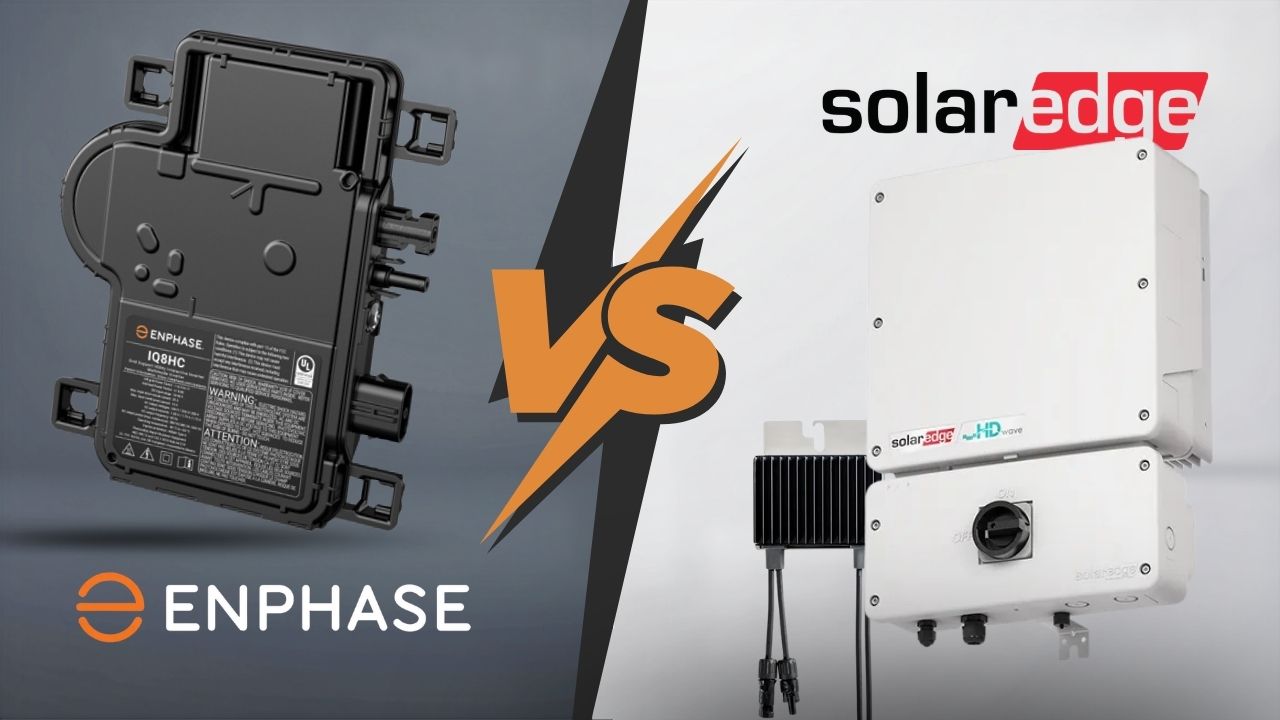
A big part of what you are paying for when you go solar is the inverter, or microinverters. These are what convert the DC electricity that the panels produce into AC. They come with varying warranties: string inverters usually have a 10-13 year warranty whereas microinverters usually have a 25-year warranty.
Why is this important? The inverter defines what app you will have, which at the end of the day is the interface between you and your solar system. Having an app that you will like, gather data and make decisions from is key (if not the most important part of your system). We work mainly with SolarEdge for our string inverter setup and Enphase for our microinverter setup. If you want to know a little more on why we use them, take a look at: https://www.potential.solar/post/enphase-vs-ap-systems
3. Take a Look at the Financial Projections
This is a tricky one, because not everyone provides financial projections, and many are.. let's say, optimistic.
Key numbers to look out for:
System Lifetime: The assumed lifetime of the system; at Potential Solar, we use the warranted system lifetime. At minimum, the financial model should not assume a system lifetime shorter than the shortest warranty in your system (usually the Inverter warranty).
The Escalation Rate: Assumes how much the electricity costs will increase per year for the system lifetime - that rate is about 5%. We use 4% in our modelling to remain conservative.
4. Take a Look at the Company itself!
Have a look at their Service and Maintenance plan, not just the workmanship warranty - During the proposal meeting, ask about the company's ability to support you in case of any issues after installation and costs associated with maintenance.
Customer Support: It's an advantage if the installer is local, as they will understand regional factors like climate and the best way to orient your panels.
Lead Time: How long will it take for the system to be installed once you’ve signed a contract?
5. And Lastly, The Big Number: Price
Use the Cost Per Watt (a number provided in proposals, calculated as total cost divided by system size in Watts) and look at it just as much as the final price. Most residential systems in Alberta fall between $2.40–$3.10 per watt. It helps you compare because different installers might design you different system sizes.
And lastly, Financing Options: Some quotes may include financing offers or incentives. Make sure to understand the full cost over time, especially if you're considering a loan or lease.
If you are unsure about any proposals you have received, feel free to contact us anytime and we will get our team of engineers to have a look for you!